For years, conventional marketing wisdom has treated the WNBA as a space primarily suited for female-focused brands, think beauty, wellness, and lifestyle companies like Sephora, Lululemon and Kendra Scott. On the surface, it makes sense, a women’s league should naturally align with women-centric marketing. But the data tells a different story, and brands that continue to rely on outdated assumptions are leaving both growth and cultural relevance on the table.
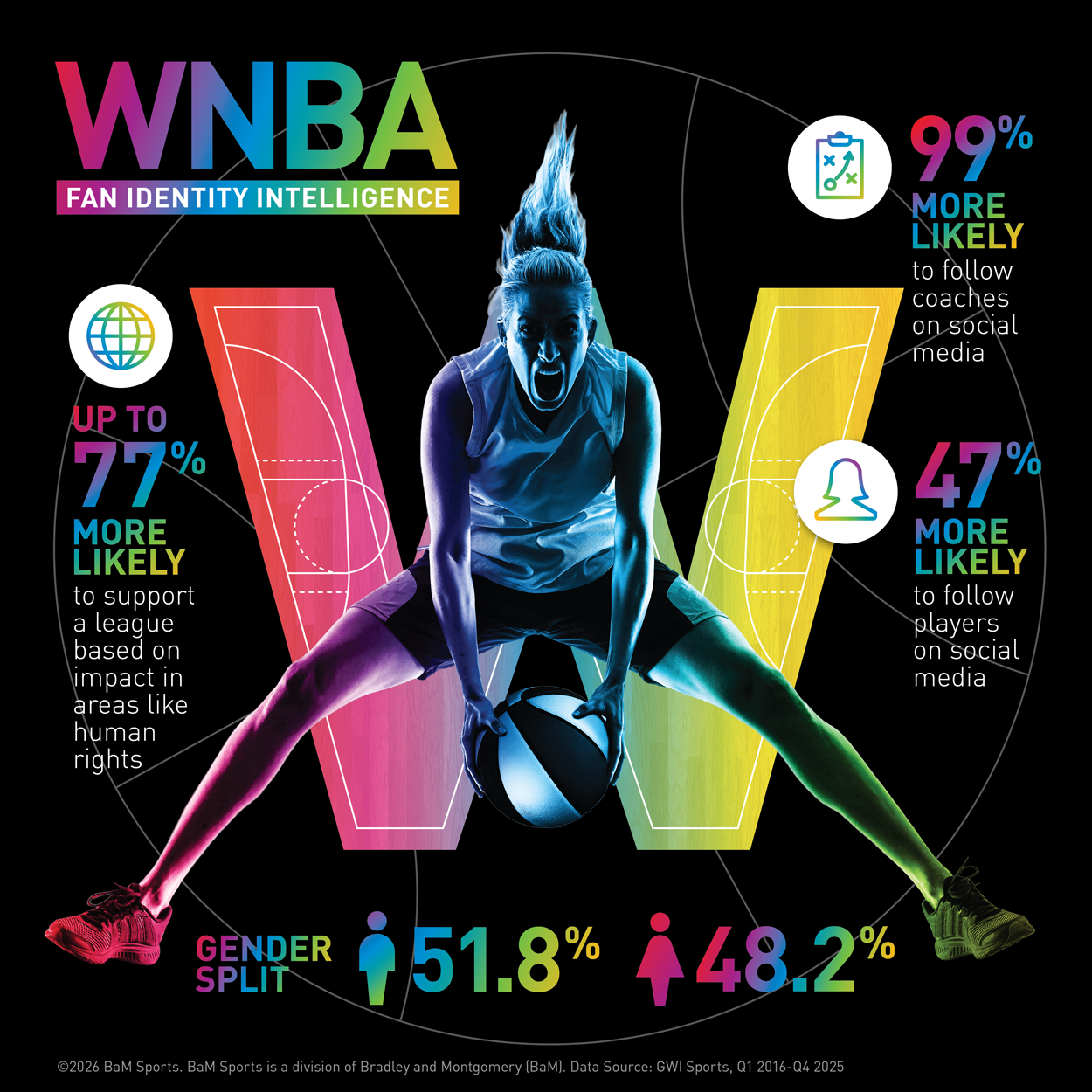
The WNBA fanbase is not what most marketers think it is. With a nearly even gender split – 51.8% male and 48.2% female, it represents one of the most balanced audiences in professional sports.
That statistic alone should force a recalibration. Because if over half of your audience is male, why are traditionally male-oriented brands sitting on the sidelines? This is where brands like Old Spice, Under Armor and Black & Decker should be paying attention.
The WNBA isn’t saturated with legacy “male” brands in the way men’s leagues are. In the NFL or NBA, categories like beer, grooming, and automotive are crowded, expensive, and often indistinguishable.
WNBA offers something fundamentally different – a lower-noise, higher-visibility environment, a progressive cultural platform, and a highly engaged, values-driven fanbase.
For a brand like Old Spice or Black & Decker this is not just a media buy. It’s a positioning play.
Modern consumers don’t just buy products they buy into what brands stand for. The WNBA has become a cultural symbol of progress, equity, and authenticity. Players are not just athletes; they are leaders, advocates, and creators of conversation.
When a brand like Old Spice or Black & Decker enters that ecosystem, it signals something powerful, a rejection of outdated gender norms, a willingness to support equity in sports, and a brand identity confident enough to show up in unexpected places. That’s not just marketing, that’s brand evolution.
Here’s where the real upside lies. If Sephora sponsors the WNBA, it’s expected. It’s logical. It barely registers as news. If Old Spice does it? That’s a headline. That’s earned media. That’s social conversation. That’s cultural currency.
The PR value of a non-traditional sponsor entering the WNBA ecosystem far exceeds the cost of the partnership itself. It creates a narrative: Why is a men’s grooming brand investing in women’s sports? And more importantly: What does that say about where culture is going? This is the kind of story that travels across sports media, business press, and social platforms.
The core mistake many brands make is defining the WNBA by the gender of its athletes instead of the identity of its fans.
WNBA fans are highly engaged, making them 99% more likely to follow coaches on social media and 47% more likely to follow players. They’re also socially conscious – up to 77% more likely to support a league based on its impact in areas like human rights, diversity, and inclusion. Just as important, they reward brands that reflect their values: they’re 51% more likely to identify as progressive and 46% more likely to engage with brands that sponsor their teams. Altogether, this signals that WNBA fans aren’t a niche audience, but a distinctly modern and values-driven one.
At BaM Sports, this is exactly the kind of inefficiency we look for – where perception lags reality, and where bold brands can gain disproportionate returns.
The takeaway is simple. Stop matching your brand to the league. Start matching your brand to the fan. Because in today’s sports landscape, the biggest opportunities don’t come from fitting in. They come from showing up where no one expects you – and making it make sense.
The WNBA isn’t just a platform for women’s brands. It’s a platform for progressive brands. And for companies like Old Spice and Black & Decker, the upside isn’t just reach – it’s relevance, differentiation, and a story worth telling.